Sommaire
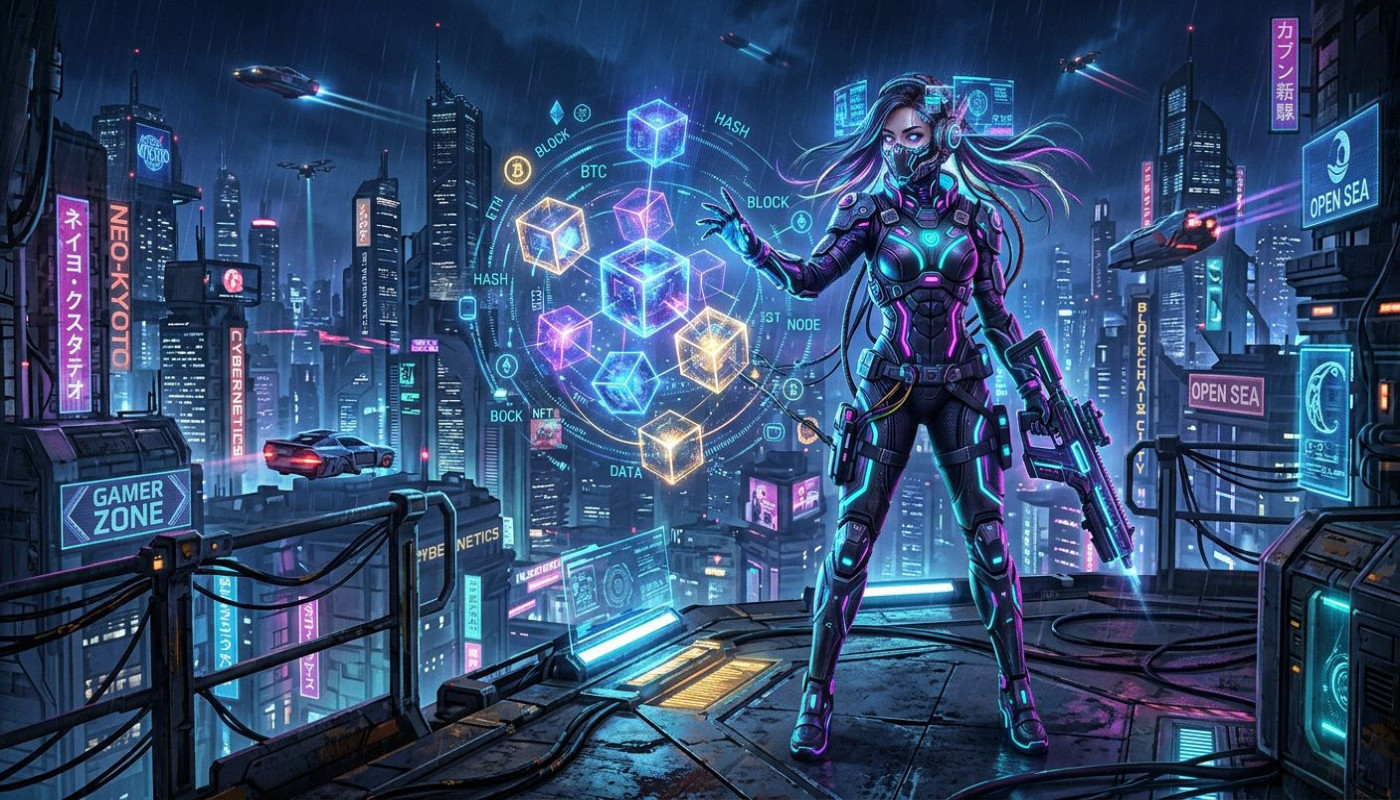
Dive into the transformative world where blockchain technology intersects with gaming economies. This article unravels how decentralized systems are reshaping player experiences, digital asset ownership, and in-game transactions. Discover how the fusion of these innovations is not just redefining the gaming landscape, but also setting the stage for a new era of digital interaction and monetization.
Decentralization in gaming platforms
Decentralized gaming is transforming traditional gaming platforms by leveraging blockchain technology and distributed ledger systems to build transparent systems of operation. With this approach, every transaction, asset exchange, and rule change is recorded on a tamper-proof distributed ledger, ensuring that all participants have access to the same unalterable data. This transparency not only curtails fraud and cheating but also fosters trust among players and developers. In a decentralized gaming landscape, players gain heightened autonomy over their virtual assets and identities, often owning in-game items as non-fungible tokens (NFTs) that can be traded across compatible platforms, which was previously impossible in centralized systems.
Gaming platforms adopting decentralization introduce innovative governance models, allowing players to influence game development decisions through decentralized autonomous organizations (DAOs) or voting mechanisms secured by the distributed ledger. This player engagement is further amplified as communities can propose, debate, and implement changes, creating virtual worlds that evolve in response to the players' collective input. Such transparent systems reshape game design by emphasizing fairness, user-driven innovation, and persistent economies, establishing a new paradigm where gamers are true stakeholders in the ecosystem. As blockchain technology matures, decentralized gaming will continue to redefine player-developer relationships and set new standards for the industry.
Ownership of digital assets
Blockchain gaming introduces a transformative approach to digital asset ownership by harnessing decentralized ledger technology to uniquely identify and manage in-game items. Through the implementation of non-fungible tokens (NFTs), each item acquires a distinct identity, ensuring that players genuinely own their collectibles, skins, or weapons rather than simply licensing them from game publishers. This distinction empowers participants to freely engage in secure trading, knowing that every transaction is transparent, tamper-proof, and verifiable on the blockchain. Such transparency and security foster trust within the virtual marketplace, allowing players to confidently buy, sell, and exchange assets without reliance on centralized authorities.
Player empowerment is further amplified as blockchain gaming provides interoperability for assets across supported platforms, unlocking new possibilities for utility and value creation. The secure trading of unique digital items not only builds a dynamic in-game economy but also encourages player-driven innovation, content creation, and entrepreneurship. As these virtual marketplaces gain complexity and credibility, gamers can monetize their achievements and investments, effectively blurring the line between entertainment and real-world economic opportunity. By enabling true digital asset ownership and facilitating robust trading ecosystems, blockchain technology fundamentally reshapes the landscape of gaming economies.
Transparency and fraud prevention
Blockchain technology strengthens gaming transparency by introducing decentralized ledgers and immutable records that document every transaction within the gaming economy. Each action or exchange is permanently recorded, meaning data cannot be retroactively altered or deleted, which is vital for trust in gaming. This level of documentation mitigates risks of fraud, such as item duplication or unauthorized asset transfers, since every transaction can be traced and verified independently. Blockchain security is further reinforced by consensus protocol mechanisms, ensuring that each new record is validated by a distributed network of nodes before being added to the chain. This collective verification process upholds the authenticity of in-game assets and digital currencies, making manipulation extremely challenging.
Alongside these security advancements, the transparency blockchain provides allows both players and developers to monitor the flow of digital assets, enhancing overall accountability and fair play. When disputes arise, access to immutable records offers indisputable evidence of ownership or activity within games, fostering a sense of fairness and reducing opportunities for cheating or deceitful practices. In sum, these combined features establish a robust foundation of trust in gaming, making fraud prevention a built-in aspect of modern gaming economies powered by blockchain technology.
Challenges and future outlook
Blockchain challenges remain at the heart of ongoing discussions surrounding the gaming future, particularly regarding scalability issues and regulatory concerns. Many blockchain-based games have encountered difficulties in processing large volumes of transactions efficiently, which directly affects user experience through slow confirmation times and higher transaction fees. Scalability issues have driven innovation in the form of layer 2 solutions, which operate atop primary blockchains to enable faster and cheaper transactions, potentially transforming performance for millions of gamers engaging with decentralized platforms. In parallel, regulatory concerns present another obstacle, as varying international laws and uncertain compliance requirements can hinder widespread integration and innovation across borders.
Despite these obstacles, the promise of mainstream adoption is growing rapidly as developers and industry stakeholders continue to refine blockchain infrastructure for gaming economies. Advancements in user interface design, coupled with greater interoperability between blockchains, are projected to make blockchain-powered games increasingly accessible and attractive to a broader audience. As more titles embrace digital ownership and fair economies, the gaming future may see seamless asset transfers and global marketplaces, fundamentally altering how value is created and exchanged within virtual worlds. Ongoing development efforts and regulatory clarity could accelerate this transition, positioning blockchain technology as a transformative force in shaping the next generation of digital gaming experiences.
Player-driven economies and incentives
Blockchain technology is redefining the player-driven economy in gaming by introducing blockchain incentives that fundamentally alter how gamers participate and profit within digital worlds. With the integration of programmable incentives, developers can craft unique reward structures that automatically distribute in-game assets or tokens via smart contracts. These contracts function as self-executing agreements, guaranteeing transparency and trust between players and game operators, which enables more robust game monetization options and supports innovative economic model designs.
Players now have the ability to directly influence the success and value of a game's ecosystem through their actions and contributions. This shift empowers gamers to benefit from their engagement, whether by trading assets, creating in-game content, or participating in governance. The use of smart contracts streamlines these processes, ensuring secure and automated compensation. The player-driven economy thrives when the value generated by the community is fairly distributed, turning players into stakeholders who are motivated to help sustain and grow the game.
As blockchain incentives continue to evolve, projects such as the cryptocubes website showcase how decentralized ownership and unique asset creation can fuel an economy where contributions are rewarded transparently. These advancements not only enhance player engagement but also establish sustainable economic systems in virtual worlds, illustrating the transformative impact of blockchain on game monetization and overall industry dynamics.
Similaire